
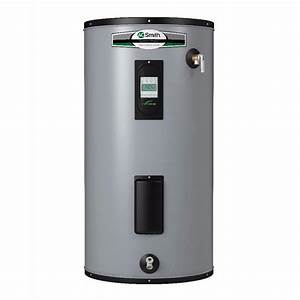
When we hear the phrase “water heater,” most of us probably get a picture in our heads of the traditional storage water heater. Although many other types of water heaters are now available, the standard storage water heater remains the most commonly seen in homes across the United States. A storage water heater consists of a tank or reservoir that holds water. A pipe brings cold water into the tank, where it is heated. Warm water rises to the top of the tank and is disbursed through another pipe whenever hot water is needed throughout the house. Storage water heaters all do basically the same thing, they just use different sources of energy for heating the water. Let’s take a closer look.
 Basic Structure
The basic structure of a storage water heater is pretty simple. The visible part — the drum — is a tall cylindrical tank made of heavy metal, a layer of insulation and an outer shell. Tanks hold 30 – 80 gallons of water, depending on size. Cold water enters the tank through the dip tube. The end of the heat-out pipe lies near the top of the tank, ready to whisk heated water wherever it is needed. Other essential parts of each storage water heater are the thermostat, drain valve, pressure relief valve, sacrificial anode rod, and a shut-off valve. The heating mechanisms differ in how they supply the heat needed to warm the water. We’ll look at gas water heaters first.
Gas Water Heaters
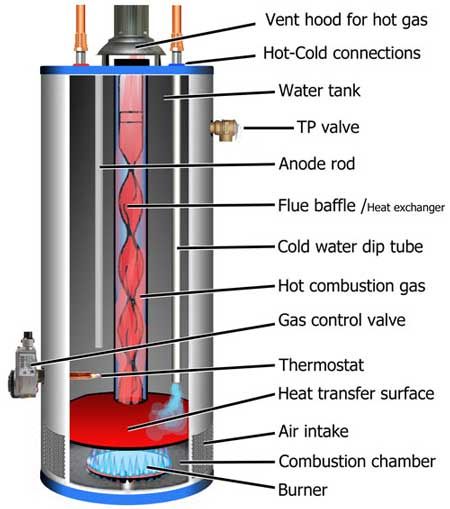
Gas water heaters, as the name implies, use natural gas or propane to fuel the heat for your water. The heating system for this type water heater has two main parts: the burner and the venting system.
 The Burner
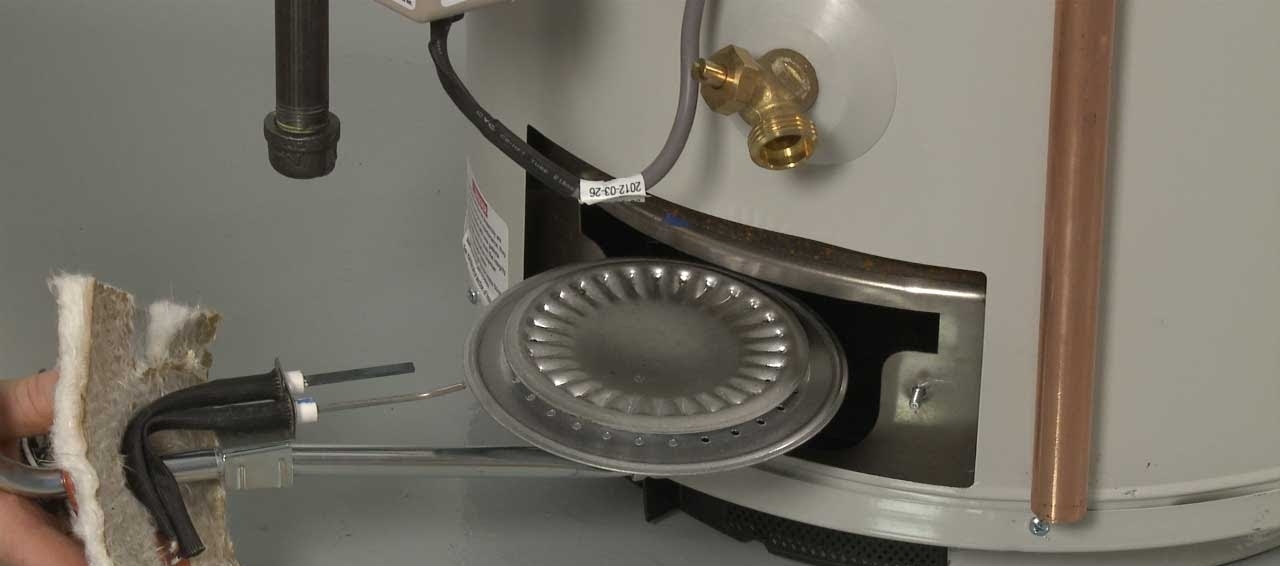
The burner sits beneath the tank in a small chamber. This burner operates on the combustion principle. Gas — either natural gas or liquid propane (LP) flows through a valve into the burner. A thermostat located outside the tank projects a heat sensitive probe inside the tank. The thermostat controls the flow of gas to the burner. Combustion occurs when the pilot light ignites the gas flowing through the burner. Flames heat the bottom of the tank, transferring heat to the water inside the tank. Small openings in the combustion chamber allow air to enter.
As long as gas and air continue to flow into the combustion chamber, the burner will continue to heat water. Thermostats are generally set between 120 to 180 degrees Fahrenheit , although newer models may restrict the upper limit to 150 degrees Fahrenheit. An energy cut off switch acts as a safety mechanism within the thermostat. If the probe detects water temperature above 190 degrees F, the energy cut off valve shuts off the gas flow. If this happens, you usually have to replace the entire gas valve mechanism. The combustion process, though very efficient for heating, produces harmful fumes and requires proper venting.
 The Venting System
Carbon dioxide, carbon monoxide, and nitrogen oxide produced in the combustion process are harmful to breathe. They must be vented outside the home or office to protect the people inside the buildings. Gas storage water heaters use a flue and hood venting system. The flue consists of a bottom hood within the combustion chamber. This hood collects and directs the exhaust fumes up through the flue. The flue itself is a small tube rising through the tank and exiting at the top. Many flues now contain baffles. A baffle is a shaped like a helix. It deflects the exhaust push the heated air to the sides of the flue to help heat the water. Exhaust exits the tank through the draft hood located just above the top of the tank. The draft hood prevents back drafts into the flue and vents noxious gasses outside the home or office.
Electric Water Heaters
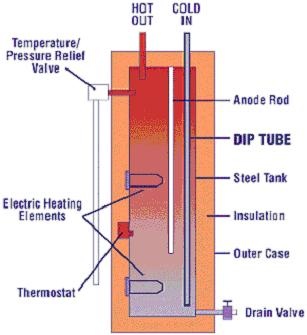 Electric storage water heaters have the same basic parts as their gas-fueled cousins. Rather than heating water with fire, though, electric water heaters use electricity. The heating system for an electric water heater also has to main parts: the elements and the circuit control.
The elements
The elements in this system work much like the burners on an electric stove. Elements may be stainless steel or copper-plated. They consist of a wire surrounded by filler material encased in a U-shaped tube of either stainless steel or copper. They project into the tank about one-third down from the top of the tank and one-third up from the bottom. Each element has its own thermostat. As electricity flows through the inner wire, resistance in the wire generates heat. The heat passes into the filler material and outer sheath of the element to heat the water. The upper element operates first to heat the top one-third of the water to the temperature set on the thermostat. Once the upper water has reached this temperature, the lower element comes on and heats the middle third of the water.
The control circuit
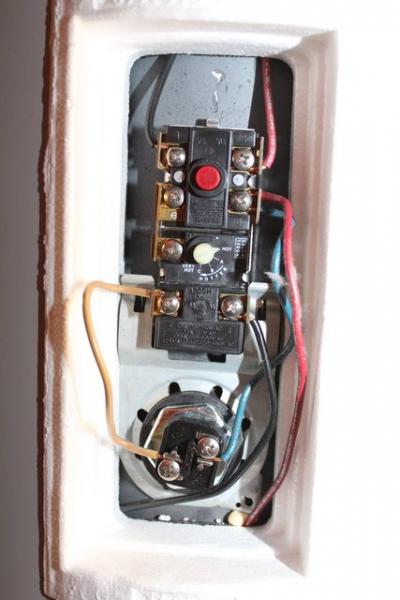 The control circuit includes the elements, thermostats, a high limit control switch, and a reset button. As in the case with the gas-powered water heater, the electric water heater also carefully monitors water temperature and pressure. If water temperature in the electric water heater exceeds the established limit, the high limit switch activates and shuts down the entire unit. You can restart the unit once it cools by pushing the reset button on the thermostat.
 Conclusion
Well, there you have it. Although both types of storage water heaters provide the same function, the do so by very different means. When you’re considering a new water heater, be sure you review all your options carefully. Both types of heater have energy efficiency and safety features built in. Just how much money you can save will depend on the needs of your family or business. Give us a call today. We’ll walk you through all the details and help you make the best choice for your particular needs.
The post How Storage Water Heaters Work: Gas vs Electric appeared first on Knoxville Plumbing | Plumber in Knoxville | Plumbing | Tennessee.
Source: https://knoxvilleplumbing.com/how-storage-water-heaters-work-gas-vs-electric/
 What Type of Drain is Slow?
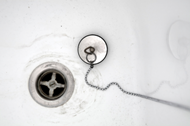 If your shower or bath tub drain is not working as well as it use to, the most common reason for this is hair. It doesn’t matter if you have short or long hair, if you give it enough time, the hair will build up in the pop-up assembly of your shower/tub drain and cause it to drain much slower than normal. If this isn’t taken care of, your hair will soon trap other sorts of debris which will eventually lead your drain not draining all together.
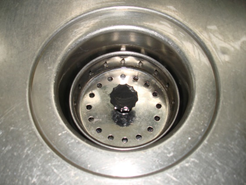 The most common reason your kitchen sink would not be draining will be food related. One of the biggest culprits is grease that gets trapped either in the P-trap, which is the curved section of your drainpipe that is located under your kitchen sink, or the drain basket itself. Food itself can get stuck in the bottom of the P-trap and hinder waterflow. Not only will this problem be inconvenient, but it can also get smelly.
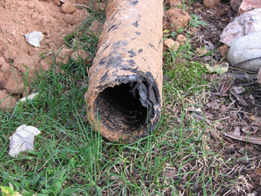 These are the main lines that will carry your household waste water and sewage away. One of the biggest things that can mess up your sewer lines is tree roots. The tree roots are attracted to all the nutrients that flow through these lines, and the roots will find any weak points, cracks or holes in your sewer lines. They will push their way into the pipes, rendering them useless. Its also important to know how old your pipelines are, because another common cause for sewer line problems is that they have begun to collapse or deteriorate. One big red flag that is indicative of a sewer line problem is if your toilet constantly clogs or flushes slowly.
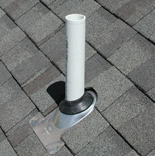 Vent stacks are an important part of your plumbing because they allow air into your pipelines, reducing the vacuum effect that would restrict water flow. These stacks are in your bathroom and kitchen areas around your house. Typically, vent stacks are the pipes that are protruding through your roof. The most common reason they get clogged is by leaves, sticks and sometimes bird nests.
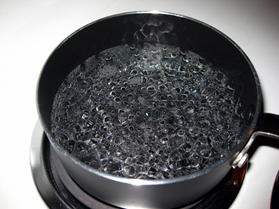
 For this method, you poor about a cup of baking soda into your drain. Next, pour the same amount of either white or apple cider vinegar down the drain. This combination will bubble initially, then it will calm down. Once this happens, put the stopper in your drain and wait for about 15 minutes. After that time frame, run hot water to see if this cleared the clog.
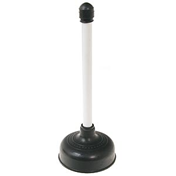 It is a good idea to invest in a designated sink plunger, if you can’t fix the clogs with the previous methods. You can use a sink plunger on either a single or double sink. If you have a double sink, first seal off the second side with either a wet cloth or a stopper. To properly plunge your sink, you will need fill you sink up with enough water to cover the bell of you plunger. Then all you must do is plunge it like you would a toilet. If this works, you should hear the suction clear the clog, remove your plunger and run warm water for a few minutes.
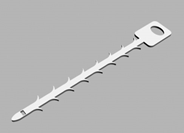 This tool, also called an auger or plumber’s snake, can clear the clogs that might be stuck deeper in the system. You simply stick this down the top of your drain until you feel something stop it, which is probably the clog. Then you twist it around until you feel the obstruction loosen. If the clog is even deeper, you will have to take apart your drainpipe and P-trap.
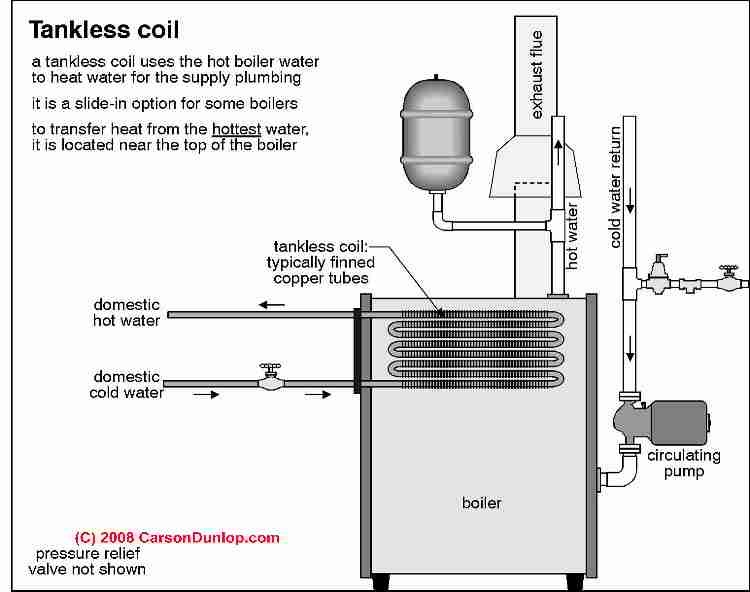
 It’s easily fitted to most boilers, including steam boilers. It is far more cost-efficient in the winter months than a typical water heater. This type of water heater is much cheaper to install and maintain than basic water heaters. If something were to go wrong or break, these water heaters are easier to replace. It basically supplies limitless hot water to the household. The biggest pro is the saving on heating costs because it doesn’t lose any heat from standing heated water.
 months. This is due to the reduced need and frequency for hot water on demand. Also, it’s lifespan is not as long as other water heaters. The Tankless Coil Water Heater only lasts about 10 years if properly maintained. Unfortunately, the Tankless Water Heater is not compatible with a furnace. Something else to consider is the quality of water running to your household. If the household is on hard water supply, the Tankless Coil Water Heater will require a water softener to run smoothly and efficiently.
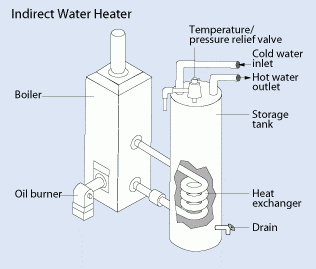 The Indirect Water Heater is a more cost-efficient and environmentally friendly way to heat water. It is a little tank-like device that holds a coiled heat exchanger. The Indirect Water Heater relies on the boiler to heat the household water, as it does not produce its own heat.

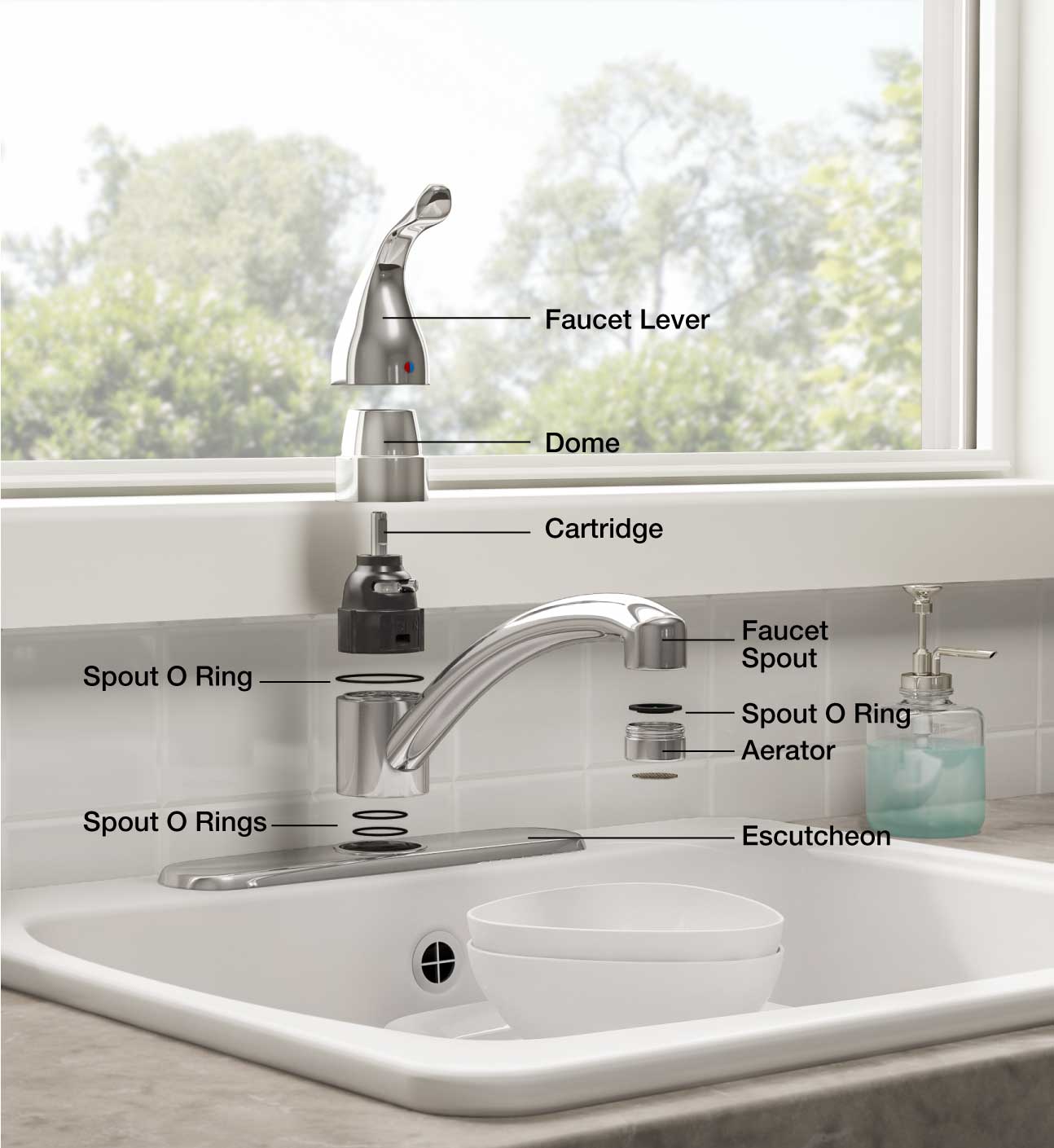 Leaky faucets
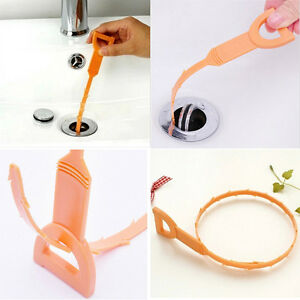 Clogs
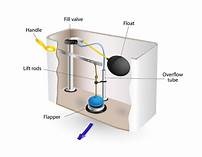 Toilet “running” or “phantom flush”
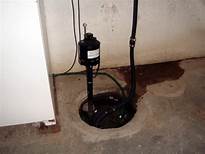 Sump pumps
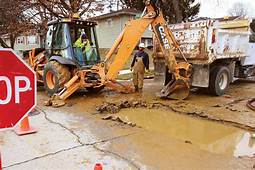
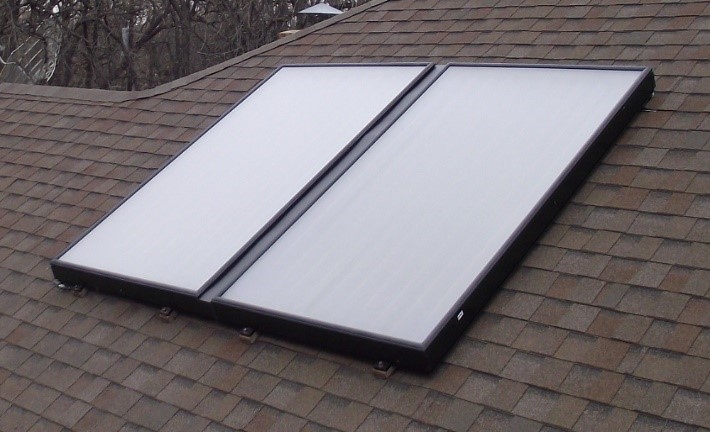
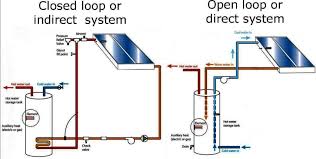

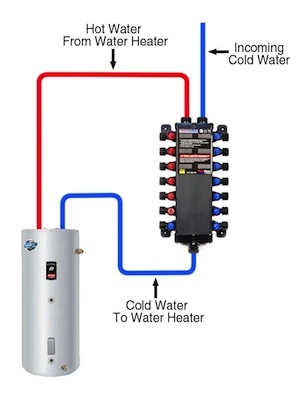
 Tankless or demand-type water heaters are a type of water heater that only heats up water when one needs it. They are a more cost-efficient way of heating water, because they don’t waste as much energy on heating a whole storage water tank. They are also referred to as instantaneous water heaters.
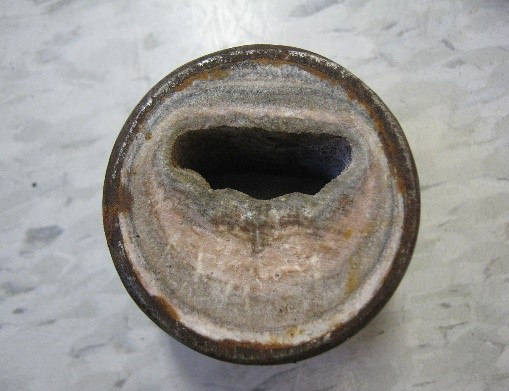 Mineral build-up
 Failure to ignite
 Flame failure
 The two most common tank water heaters run on gas or electricity.
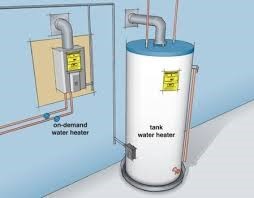 Also known as the “on demand” water heater, it only turns on when you need hot water. There is no holding tank, which makes this a more efficient option. However, like the electric water heater, this also makes it a more expensive option.
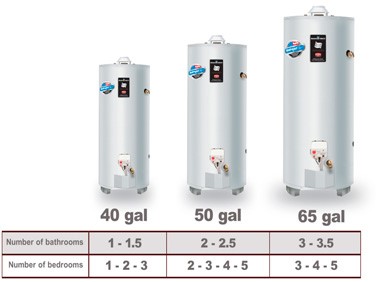
 It can be very frustrating trying to figure out if it’s time to replace the household water heater, or if it simply needs a little TLC. This article will help shed some light on whether it just needs a repair, or if it needs to be replaced.
 With older water heaters, it is not uncommon to notice strange noises or rumbling coming from the unit. These are usually caused by excessive sediment build-up accumulating on the bottom of the water heater. As the water heater will frequently change temperature, the sediment will eventually harden. When this happens, it will be harder for the water heater to effectively heat the household water supply. This will ultimately cost more money to run it.
 Consistent “puddles” around the base of the water heater could be a sign that there are fissures and cracks in the hull of the tank. As the metal heats and expands and then cools and shrinks again, this causes these fissures and cracks. While this is normal and should not cause problems for quite some time, in an older water heater it could be a sign that it is time to replace the water heater. But before doing that, make sure that leaky pipes or loose valves are not to blame.
 It’s safe to assume that the biggest problem with water heaters is that there is often not enough hot water being supplied to the household. There are some simple explanations as to why this is happening, regardless of the type of water heater (i.e. gas or electric).
 Make sure that the water heater has a proper connection to the power source, and then, reset the thermostat. There could also be too much sediment in the bottom. As mentioned above, this impedes the function and makes it harder to heat enough amounts of water. A good flushing of the water tank will make sure that all the sediment is removed.
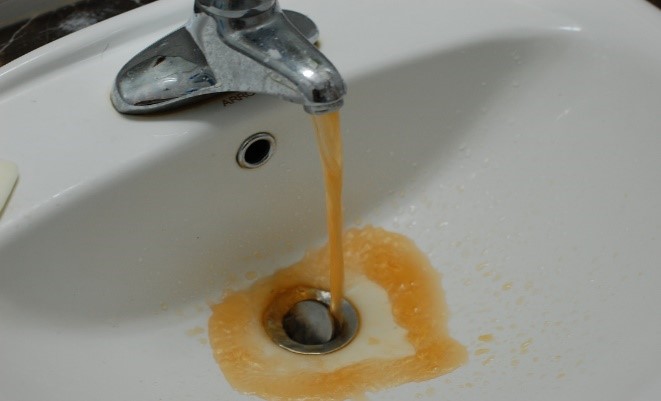
 There are only a few differences when it comes to assessing problems with electric and gas water heaters. The first thing to check on a gas model is the pilot light. If the pilot light has gone out, relight it, and make sure that the gas valve is hooked up securely and properly. Another issue could be that the gas burner needs to be cleaned. The cleaning is a good time to go ahead and replace the thermocouple, too. Just like electric versions, it is important to flush to rid the tank of sediment. Also, keep an eye out for rusty water coming from the hot water faucet.

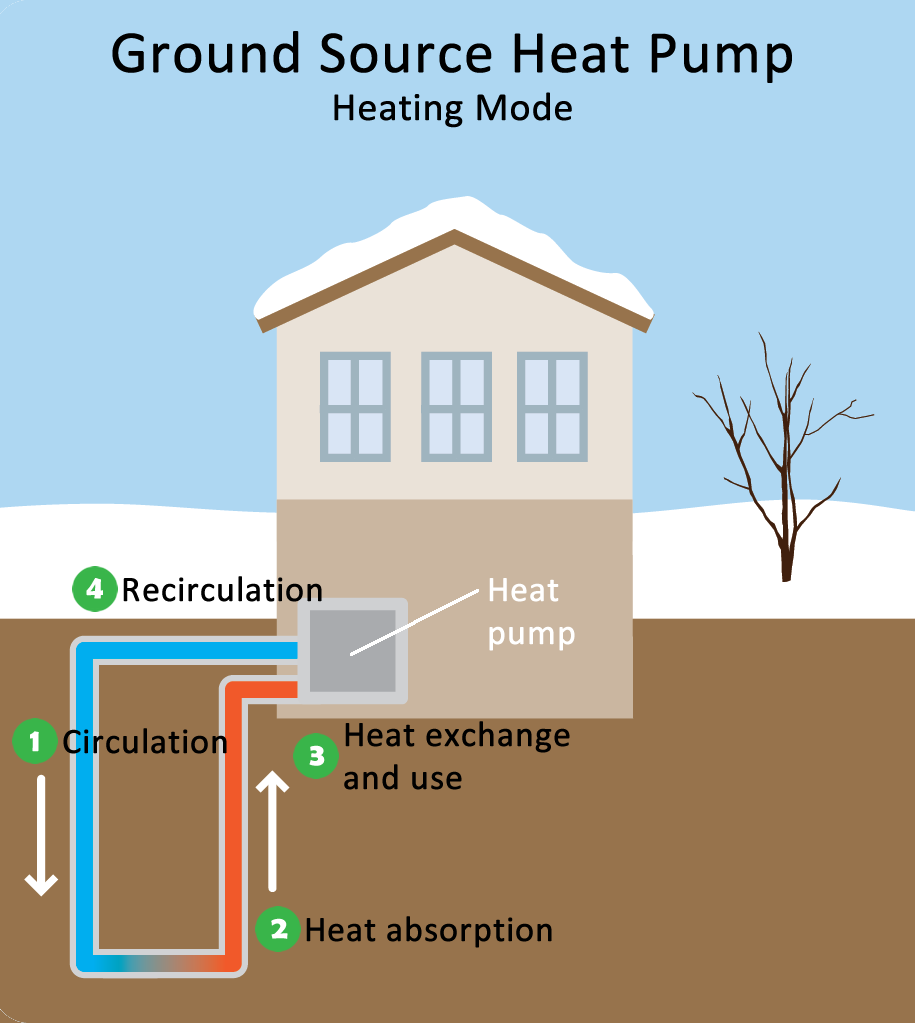 The geothermal heat pump uses heat from the ground during the winter months. During the spring and summer months it uses heat from the surrounding air.
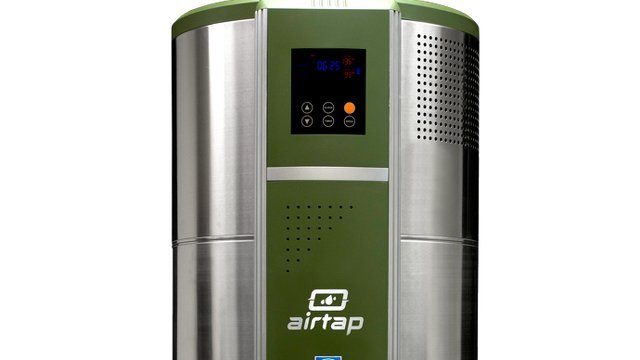 Most units come with control panels displaying multiple operating options. Below is a list of possible modes listed on the control:

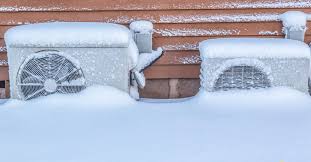 One of the most common problems with a HPWH is icing up, especially in the winter time. The outside unit will often be covered with frost or maybe even a thin layer of ice. This is completely normal. When everything is working properly, the device has a built-in defrosting system that will help to take care of this problem. However, say the unit is covered in a thick layer of ice, or maybe the coils are surrounded by ice, and in a worst case scenario, the entire unit is completely covered in thick ice and heavy snow. All those problems could obstruct the transfer of heat from inside to the outside refrigerant which would continue to delay the HPWH functions. If this is left untreated, this could severely damage the unit beyond repair.
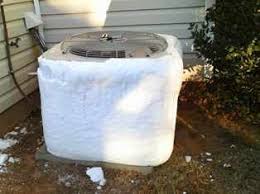 You may find, however, that your HPWH is icing up in the summer months. If this happens, do not waste any time and call a professional right away. If the HPWH is icing up in the summer, there is a problem with the device itself and it should be looked at immediately.
 What Are the Common Causes of Ceiling Leaks?

